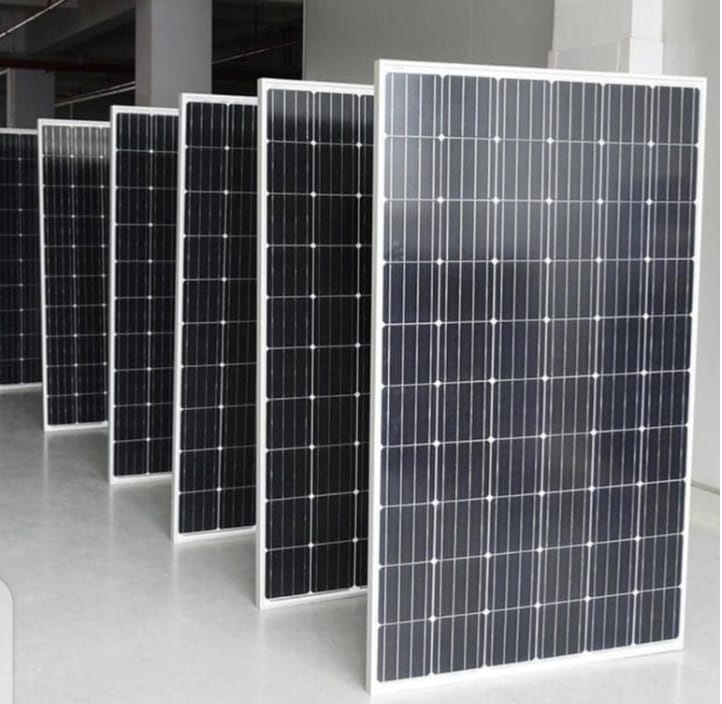
 Solar Energy
How to Choose the Right Solar Panel for Your Home
Solar energy can help homes and businesses generate
electricity from sunlight. Choosing a suitable solar
panel starts with understanding your power needs and
the equipment required for your installation.
1. Calculate your electricity needs
Make a list of the appliances you want to power,
including lights, fans, televisions, refrigerators,
computers and other equipment. Check their wattage
and estimate how many hours each appliance will run.
2. Understand solar panel wattage
Solar panels are available in different power ratings.
For example, a 550W panel has a rated output of
550 watts under specified test conditions. Actual
production depends on sunlight, temperature, panel
orientation, shading and other conditions.
3. Check the inverter and battery requirements
If you need power at night or during a power outage,
your system may require a compatible inverter and
battery. The correct configuration depends on your
appliances, desired backup time and available budget.
4. Consider installation space
Choose a location with good sunlight and minimal
shading. Roof strength, mounting equipment, cable
routing and electrical safety should also be considered.
Helpful tip:
Ask a qualified solar installer to assess your power
needs before purchasing equipment. Avoid choosing a
system based only on panel wattage.
Ready to explore solar products?
Browse the solar panels, inverters and batteries
listed in our product section.
Explore Solar Products
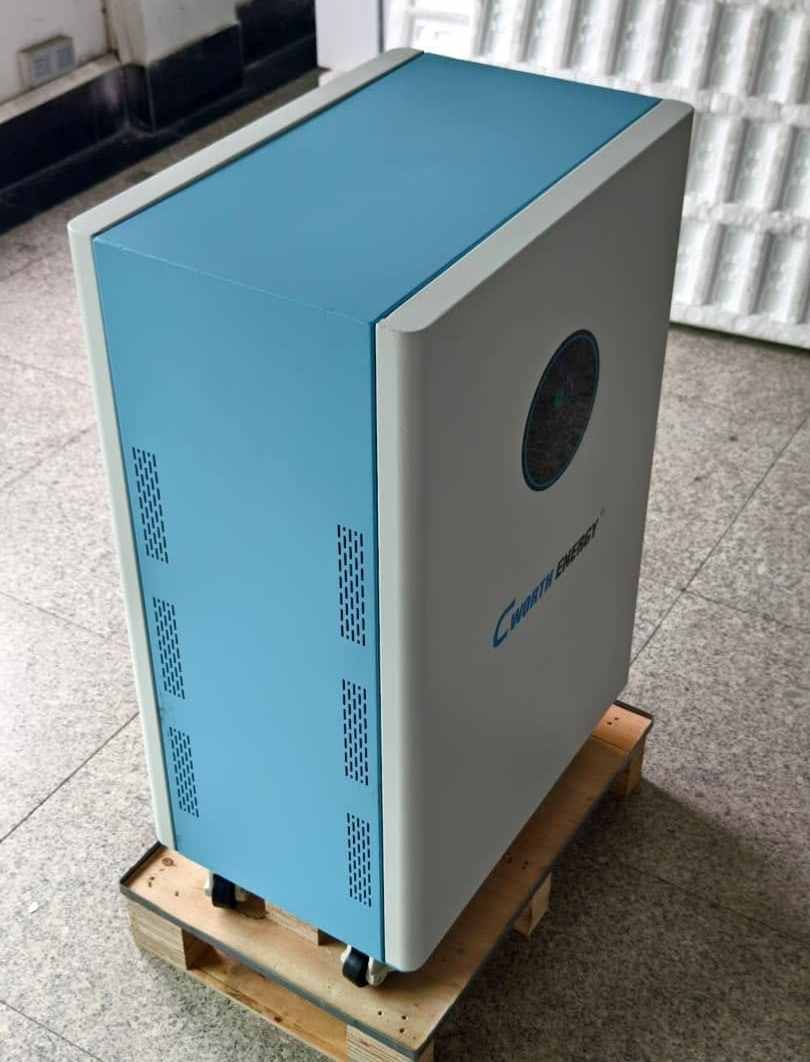 Energy Storage
What to Know Before Buying a Solar Battery
A solar battery stores electrical energy for use
when your solar panels are not producing enough
electricity. Before purchasing one, compare its
capacity, compatibility, expected backup time
and warranty.
1. Understand battery capacity
Battery capacity is commonly expressed in
kilowatt-hours (kWh) or amp-hours (Ah). Amp-hours
alone do not tell the full energy capacity unless
the battery voltage is also known.
2. Estimate your backup time
List the appliances you want to run and estimate
their combined power consumption. A larger load
generally uses stored energy faster than a smaller
load.
Actual backup time also depends on usable battery
capacity, inverter efficiency, battery settings
and the condition of the battery.
3. Check compatibility
Confirm that the battery chemistry and voltage
are supported by your inverter. Check the
manufacturer's requirements for charging,
communication, protection and installation.
4. Compare quality and warranty
Review the manufacturer's warranty, rated cycle
life, operating temperature range and available
after-sales support. A qualified installer can
help you choose a safe, compatible system.
Important:
Do not connect batteries of different types or
specifications together unless the manufacturers
explicitly permit the arrangement.
Browse Energy Products
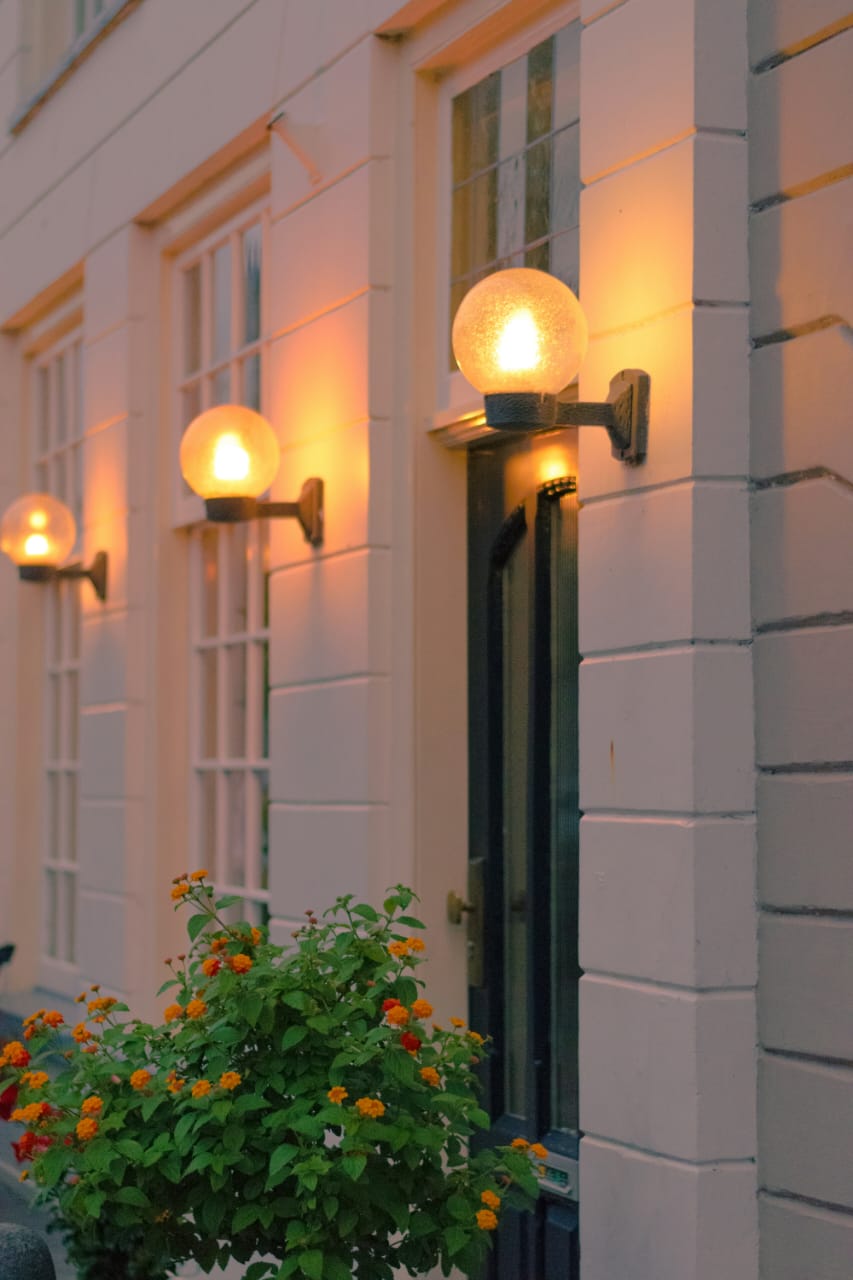 Lighting & Electrical
Benefits of LED Lighting for Your Home and Shop
LED lighting is widely used in homes, shops,
offices and outdoor spaces. Choosing suitable
LED products can improve lighting quality and
reduce electricity consumption compared with
less efficient lighting options.
1. Use less electricity
Compare the wattage and light output of the
bulbs you are considering. Lumens indicate
how much visible light a bulb produces, while
watts indicate its power consumption.
2. Choose the right brightness
Bedrooms may need comfortable, softer lighting,
while work areas and shops may require brighter
illumination. Consider room size, ceiling height
and the activities performed in the space.
3. Select a suitable colour temperature
Warm white lighting can create a relaxing
atmosphere. Neutral or cool white lighting
may be preferred in workspaces, kitchens
and some commercial environments.
4. Check product quality and compatibility
Check the product rating, warranty, voltage
requirements and suitability for indoor or
outdoor use. For enclosed fittings or outdoor
installations, make sure the product is rated
for those conditions.
5. Calculate potential savings
To estimate energy savings, compare the power
consumption of your old bulbs with that of
the replacement LEDs, then consider daily
operating hours and your electricity tariff.
Helpful tip:
Choose lighting based on brightness, comfort,
efficiency and the purpose of the space—not
wattage alone.
Explore Lighting Products
Need Help Choosing a Product?
Lucky Ado Techworld offers technology products
and installation support for homes, businesses
and institutions. Contact us to discuss your
requirements and request product information.
Chat with Us on WhatsApp